ImportantHappy Navratri: A Complete Guide to Celebrating the Festival of Nine Nights
Introduction
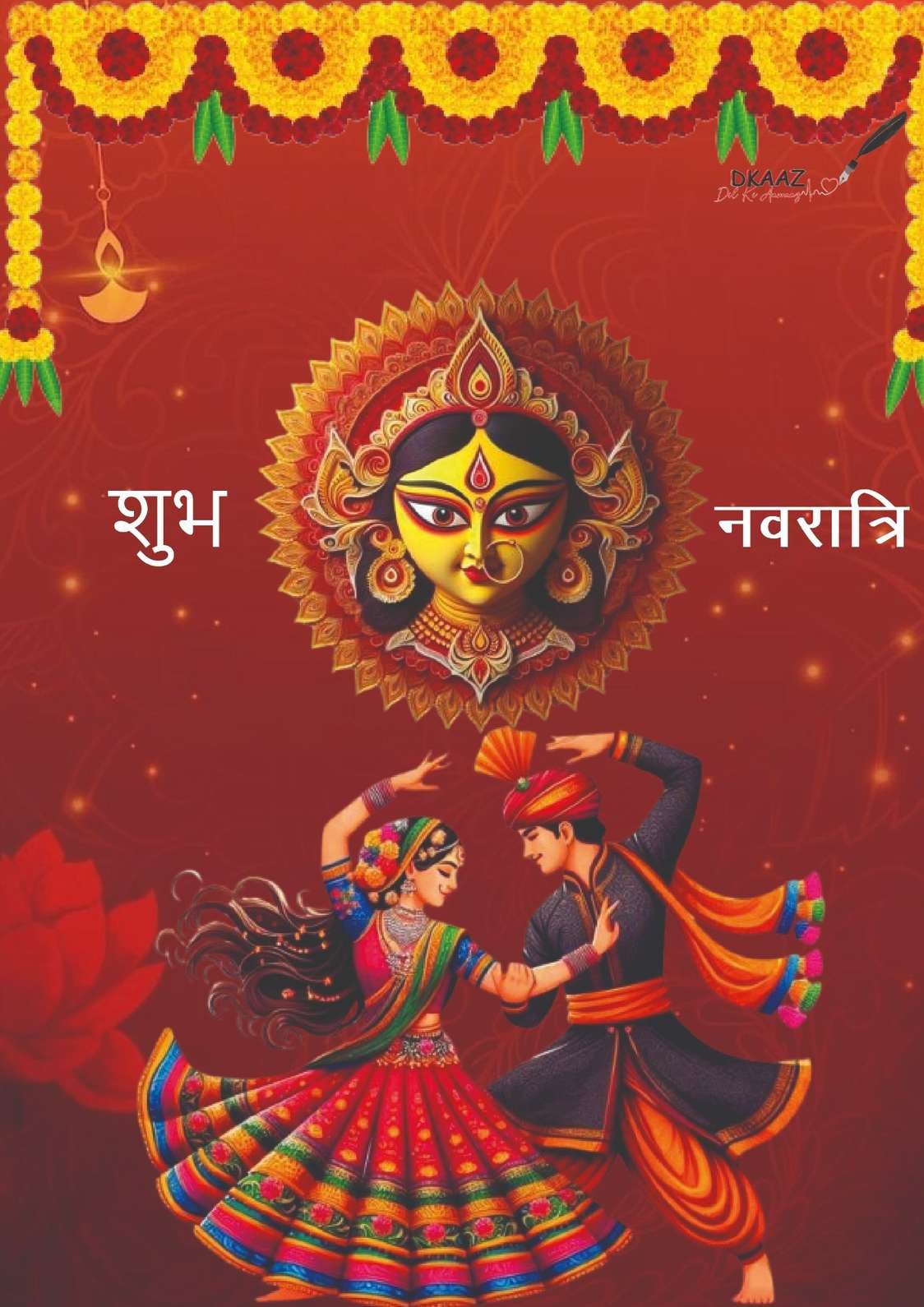
Navratri is one of the most vibrant and spiritually uplifting festivals celebrated across India and by Indian communities worldwide. The word “Navratri” comes from Sanskrit, meaning “nine nights,” and it is dedicated to worshipping the nine forms of Goddess Durga. These nine days are marked by devotion, fasting, music, dance, and celebration of feminine power. In this comprehensive guide, we will explore the history, spiritual significance, rituals, food traditions, and modern-day celebrations of Navratri. By the end of this article, you will have everything you need to celebrate Navratri with greater joy and mindfulness.
History and Origins of Navratri
The Mythological Roots
The story of Navratri dates back to ancient Hindu mythology. According to the Devi Mahatmya, the demon Mahishasura became so powerful that he threatened the existence of heaven and earth. The gods, unable to defeat him, combined their divine energies to create Goddess Durga, the embodiment of Shakti (divine feminine power). After a fierce battle that lasted nine nights, Goddess Durga finally slayed Mahishasura on the tenth day, which is celebrated as Vijayadashami or Dussehra.
This story represents the eternal victory of good over evil and light over darkness. Each night of Navratri is symbolic of one stage of the battle, and devotees worship a different form of Durga every day. The symbolism is deep — Mahishasura represents ego, anger, and ignorance, while Goddess Durga represents courage, wisdom, and divine energy.
Regional Variations of the Story
While the central theme remains the same, Navratri’s legends and celebrations vary across regions. In West Bengal, the focus is on Durga Puja, where beautifully crafted idols of Durga are worshipped and later immersed in rivers. In North India, the festival often coincides with Ram Leela performances depicting the story of Lord Rama’s victory over Ravana. In Gujarat, the festival is celebrated with Garba and Dandiya Raas dances. Each region adds its own unique cultural flavor, making Navratri one of the most diverse Indian festivals.
Spiritual and Cultural Significance
Devotion and Worship
Navratri is a time of spiritual cleansing and devotion. Devotees observe fasting, chant mantras, and perform special pujas during these nine days. The idea is to purify the body and mind to welcome positive energies. Worshipping the nine forms of Durga is believed to bring strength, wisdom, and prosperity.
A popular tradition is the recitation of the Durga Saptashati — 700 verses dedicated to the Goddess — which narrate her battles and victories. This practice is considered highly auspicious and is believed to bring peace and protection.
Social and Cultural Role
Navratri also plays an important role in community bonding. People gather for Garba nights, Dandiya Raas, and cultural events, dressed in colorful traditional attire. This collective participation fosters unity, joy, and cultural pride. For many, Navratri is not just a religious festival but also a way to connect with their roots.
The Nine Forms of Goddess Durga
Each day of Navratri is dedicated to a particular form of Goddess Durga, and devotees wear specific colors that symbolize the qualities of that form. Here’s a deeper look into each day:
Shailputri (Day 1) – Known as the daughter of the mountains, she represents nature and purity. Devotees wear yellow and start their Navratri by invoking her blessings for stability and strength.
Brahmacharini (Day 2) – The goddess of penance and meditation. Wearing green, devotees focus on self-discipline and spiritual growth.
Chandraghanta (Day 3) – Recognized by the crescent moon on her forehead, she is the warrior goddess who removes fear. Grey is worn to symbolize calmness.
Kushmanda (Day 4) – Believed to be the creator of the universe with her radiant smile. Orange, the color of energy, is worn to seek vitality and health.
Skandamata (Day 5) – The nurturing mother of Kartikeya, symbolizing maternal love and compassion. White is worn to represent purity.
Katyayani (Day 6) – Known as the warrior goddess who destroyed the demon Mahishasura. Red is worn to represent strength and passion.
Kalaratri (Day 7) – The fiercest form, she destroys negativity and ignorance. Royal blue is worn to seek protection from evil.
Mahagauri (Day 8) – Symbol of serenity and purity, worshipped for relief from past sins. Pink is worn to reflect hope and positivity.
Siddhidatri (Day 9) – The goddess who grants supernatural powers and wisdom. Purple is worn to invoke spiritual awakening.
How Navratri is Celebrated Across India
Navratri in Gujarat
Gujarat is the cultural heart of Navratri celebrations. Every night, people gather in large grounds to perform Garba and Dandiya Raas, a mesmerizing dance form in a circular pattern around a symbolic representation of Goddess Durga. Women wear colorful chaniya cholis while men wear kediyas, creating a vibrant visual spectacle. Some cities like Ahmedabad and Vadodara host Garba events that attract thousands of participants, making it a truly global event.
Navratri in West Bengal
In West Bengal, Navratri coincides with Durga Puja. Massive pandals (temporary structures) are set up with artistically crafted Durga idols. Cultural performances, bhajans, and community feasts are organized. The immersion ceremony (Visarjan) on the tenth day is a grand event with music and processions.
Navratri in South India
In Tamil Nadu, Karnataka, and Andhra Pradesh, families display Golu – a staircase-like arrangement of dolls representing deities, saints, and everyday scenes. Women invite friends and neighbors for haldi-kumkum ceremonies, exchange gifts, and sing devotional songs.
Navratri in Northern India
North Indian households observe fasts, perform daily aarti, and organize Ram Leela plays depicting Lord Rama’s life. The ninth day is marked by Kanya Puja, where young girls are worshipped as embodiments of the goddess and offered prasad.
Rituals, Fasting, and Food
Fasting Rules and Benefits
Fasting is a common practice during Navratri. Some devotees eat only fruits and milk (phalahar), while others follow a strict fast avoiding grains, onions, and garlic. Fasting is believed to detoxify the body and promote spiritual discipline.
Modern nutritionists suggest that Navratri fasting can also help reset metabolism when done mindfully. It encourages light eating and emphasizes seasonal, sattvic (pure) foods.
Special Navratri Recipes
Popular fasting dishes include:
Sabudana Khichdi: Tapioca pearls cooked with peanuts and mild spices.
Kuttu Puri: Buckwheat flour puris served with aloo sabzi.
Singhare ka Halwa: A sweet dish made from water chestnut flour.
Aloo Chaat: Spiced potato cubes served with rock salt and lemon juice.
These recipes are not just delicious but also easy to digest, keeping you energetic during the fast. Many restaurants now offer special Navratri thalis for those who want to enjoy festive food without cooking at home.
Modern-Day Celebrations
Globalization of Navratri
Navratri has transcended Indian borders and is celebrated with enthusiasm in countries like the USA, UK, Canada, and Australia. Indian diaspora communities organize Garba nights and Durga Puja events, introducing the culture to a global audience. Some cities like New Jersey, London, and Toronto host grand events that attract both Indian and non-Indian participants.
Social Media and Navratri Trends
Instagram and TikTok are flooded with reels of Garba performances, Navratri fashion, and devotional songs. Influencers share festive makeup tutorials and outfit inspirations, adding a modern twist to traditional celebrations. Hashtags like #NavratriVibes and #GarbaNights trend globally, bringing visibility to Indian culture.
Tips for a Joyful and Eco-Friendly Navratri
Choose eco-friendly idols made of natural clay.
Avoid plastic decorations and use biodegradable materials.
Organize community clean-up drives post-celebrations.
Ensure safety at Garba events with proper crowd management.
Support local artisans by purchasing hand-crafted decorations.
Conclusion
Navratri is more than just a festival; it is a celebration of divine energy, courage, and victory of good over evil. Whether you celebrate with fasting, prayers, or dance, the essence of Navratri is to reconnect with your inner strength and spread positivity. This Navratri, celebrate mindfully and make it joyful for yourself and your community.:
Your blog article will go under a review by one of our admin or moderator just to prevent spams and will approved or our moderators will get in touch with you to solve the issue or suggest improvements - essentially a editorial support.
[https://dkaaz.in/happy-navratri-wishes-maa-durga-navratri-images/](https://)