(Not Enterprises, Not IT Professionals — Just Real Homes)
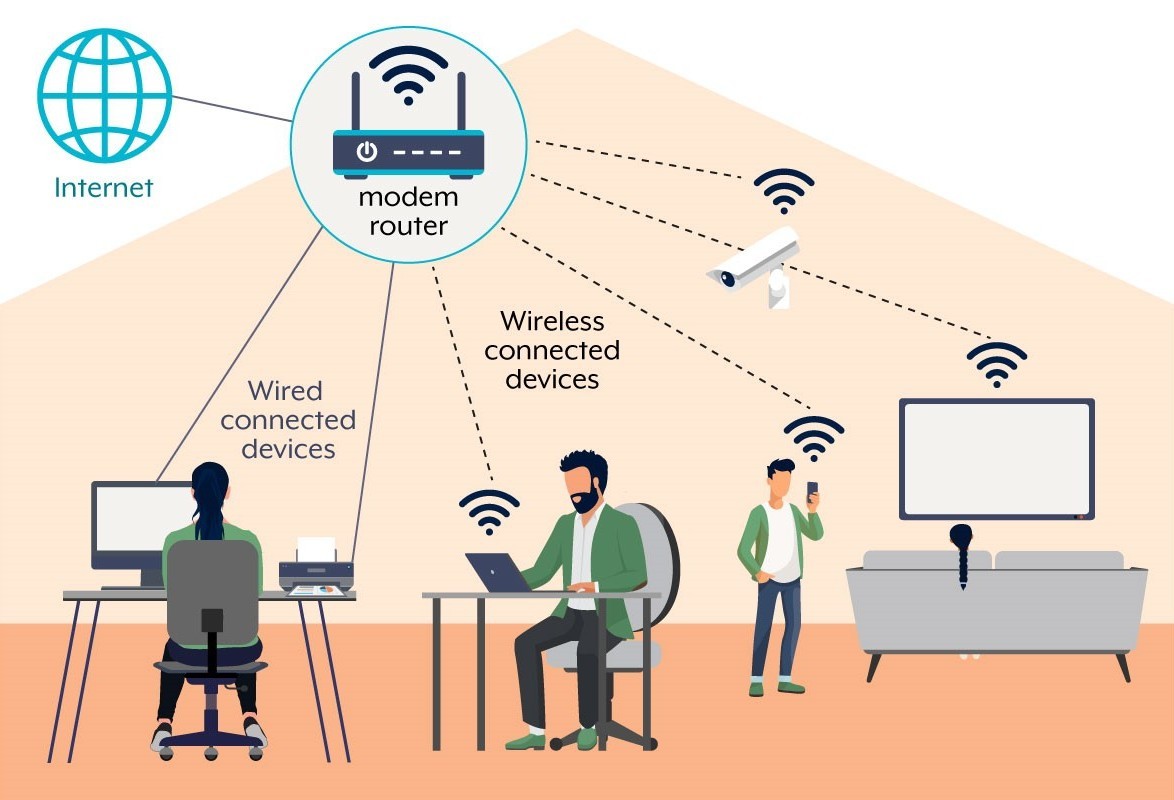
When people hear the term cyber security, they usually imagine corporate offices, hackers in hoodies, servers, and firewalls.
But the truth is far more uncomfortable:
The most vulnerable place today is not a company — it’s your home.
Middle-class Indian homes are becoming digitally rich but security poor.
Smart TVs, cheap Wi-Fi routers, online classes, gaming, UPI apps, WhatsApp groups — all connected, all exposed.
This blog focuses only on homes, not enterprises, and explains real risks that Indian families face every day.
The Silent Threat Sitting in Your Living Room: Smart TVs
Most middle-class homes today have a smart TV, often bought for YouTube, OTT platforms, or kids’ cartoons.
What people don’t realize is:
Smart TVs have microphones
Some models collect viewing behavior
Many never receive security updates
Real Risk
TVs can track what you watch, when you watch, and sometimes listen
Cheap or outdated TVs may have open ports
Public Wi-Fi passwords are often stored inside the TV
Why This Matters
Your TV knows:
Your routine
When you’re home
What language you speak
What ads influence you
This data is far more valuable than passwords.
Basic Protection
Turn off voice assistant if not needed
Never connect TV to public Wi-Fi
Update firmware at least once every 3–4 months
2. Home Wi-Fi: The Open Gate No One Locks
In many homes, Wi-Fi is installed once and never touched again.
Common habits:
- Router password = mobile number
- Same password for 5+ years
- Old router provided by ISP
Real Risk
- Neighbors can access weak networks
- Hackers can monitor traffic
- Fake apps can hijack DNS settings
- Once Wi-Fi is compromised:
- Every phone, laptop, TV, and camera becomes visible.
Most Dangerous Mistake
Using default router admin credentials
(Yes, many people never change them.)
Minimum Security Checklist
- Change router admin username & password
- Use WPA2 / WPA3 encryption
- Disable WPS (very important)
- Restart router once a week
3. Children, Online Games & Voice Chat Exploitation
Online gaming is no longer just gaming — it’s live communication with strangers.
Popular risks include:
Voice chat manipulation
Fake “friendly players”
In-game gift scams
Psychological grooming
Why Kids Are Easy Targets
- They trust faster
- They want validation
- They don’t understand data privacy
- Attackers don’t ask for passwords immediately.
- They build friendship first.
What Parents Usually Miss
- Voice chats are often unmoderated
- Screen names reveal age & location
- Kids overshare without realizing it
Practical Steps
- Disable voice chat where possible
- Teach kids never to share personal info
- Use parental control features
- Keep gaming devices in common areas
4. WhatsApp Groups: The Biggest Security Hole in Indian Homes
Every Indian home has:
Family group
Society group
School group
Office forwarding group
Real Threats
- Fake UPI screenshots
- Malicious APK links
- “Government notice” PDFs
Emotional blackmail messages
The danger is not technology —it’s trust inside the family group.
Why Scams Spread Fast
- “Forwarded by uncle” = instant credibility
- Fear-based messages (“Account will be blocked”)
- Religious or emotional triggers
Smart Rule
If a message creates panic or urgency, pause immediately.
Protection Habit
- Never install apps from WhatsApp links
- Verify information from official websites
- Mute unknown groups
5. UPI, Banking Apps & the Illusion of Safety
UPI is fast, simple, and extremely powerful — which makes it dangerous if misunderstood.
- Common Misbeliefs
- “OTP is enough”
- “Bank apps are fully secure”
- “Only hackers get scammed”
Reality
- Most UPI frauds are:
- User-driven
- Based on deception
- Approved unknowingly by the victim
New Scam Pattern
- Fake “receive money” requests
- Screen-sharing apps
- Fake customer care numbers from Google
Golden Rules
- Never share screen during banking
- Banks never ask for OTP
- Receiving money never needs approval
Cheap Smart Devices: Cameras, Bulbs & Doorbells
Smart bulbs, cameras, and plugs are becoming popular because they are cheap.
But cheap devices often mean:
No encryption
Weak cloud security
Servers hosted outside India
Worst-Case Scenario
Live camera feeds accessible online
Default passwords unchanged
Devices used in botnets
Your home camera should protect you —not spy on you.
Safety Tip
- Buy devices from trusted brands
- Change default passwords immediately
- Avoid unnecessary cloud access
7. The Biggest Problem: “It Won’t Happen to Us”
Most middle-class families believe:
“We are not important enough to be hacked.”
This is false.
- Attackers don’t target people —they target numbers.
- Automated attacks don’t care who you are.
Cyber security is no longer about hackers vs companies.It’s about families vs ignorance.
Your home is now:
- An office
- A classroom
- A bank
- A digital identity hub
And security starts not with tools —but with awareness.