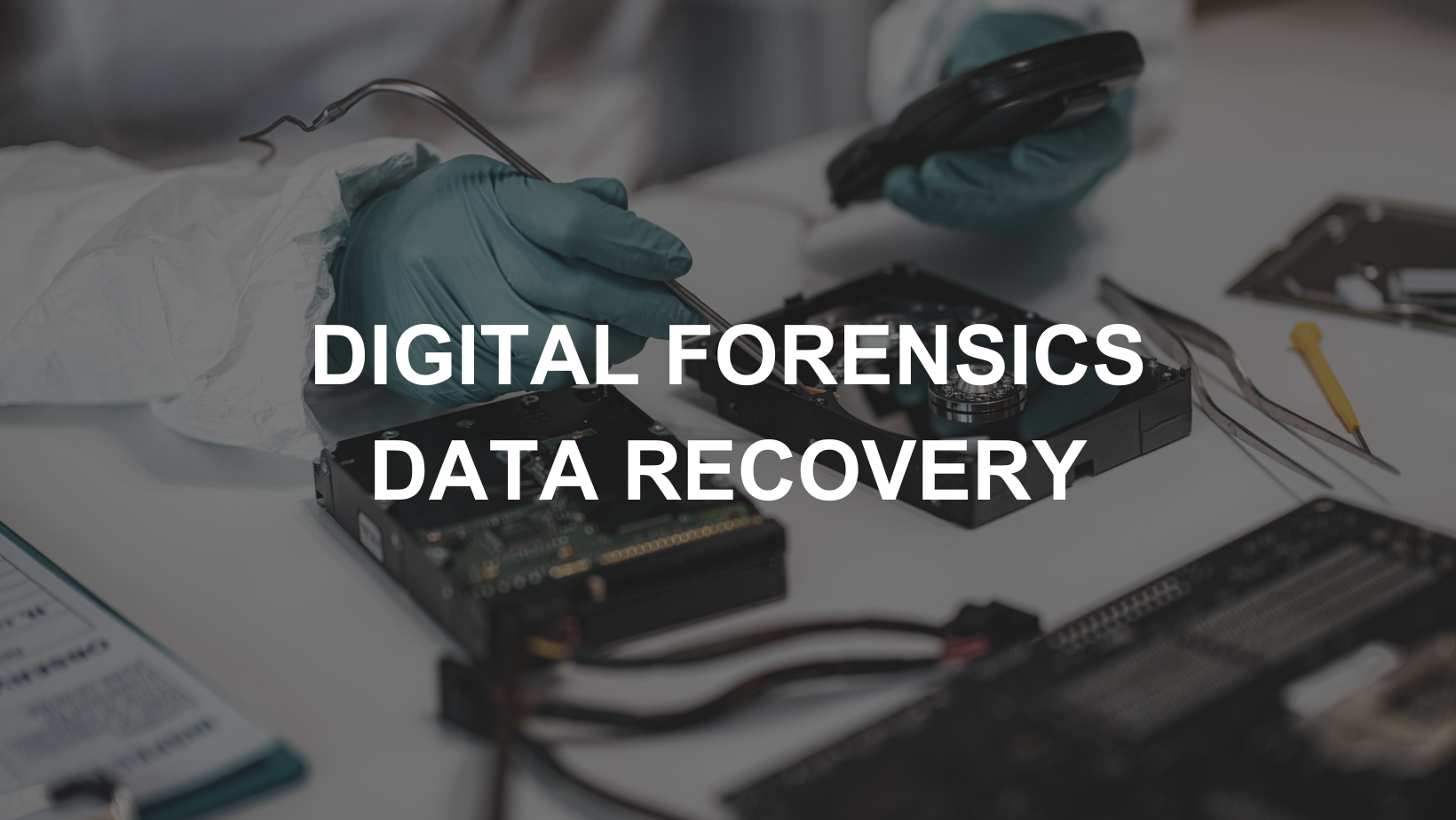
Deleting a file feels pretty final.
You press delete, empty the recycle bin, and assume the file is gone forever.
But in the world of digital forensics, deletion rarely means complete disappearance.
In fact, investigators can often recover files that users thought were permanently erased.
This ability plays a huge role in cybercrime investigations, fraud cases, and digital evidence collection.
So how does file recovery actually work?
Let’s break it down.
What Really Happens When You Delete a File
When you delete a file on your computer, the system usually does not immediately destroy the data.
Instead, the operating system simply removes the reference to that file from the file system.
Think of it like removing a book from a library catalog.
The book is still sitting on the shelf — but the catalog no longer lists it.
The storage space used by that file is marked as available for reuse.
Until new data overwrites that space, the original file may still exist on the disk.
And that’s where forensic recovery becomes possible.
The Role of File Systems
Every storage device uses a file system to organize data.
Common file systems include:
NTFS (Windows)
FAT32
exFAT
APFS (Apple systems)
File systems keep track of where files are stored on a disk.
When a file is deleted, the file system marks that space as free but may leave the actual data untouched.
Digital forensic tools analyze the file system structure to locate these leftover data blocks.
This process helps investigators reconstruct deleted files.
File Carving: Recovering Hidden Data
One powerful forensic technique is called file carving.
Instead of relying on the file system, file carving scans raw disk data for known file signatures.
For example:
JPEG images have specific header patterns
PDF files start with identifiable markers
ZIP archives follow recognizable structures
Forensic tools scan the disk looking for these patterns.
When they find them, they reconstruct the file even if the original file system entry is missing.
This technique can recover files that were deleted long ago.
Tools Used for File Recovery
Digital forensic experts use specialized tools designed for evidence recovery.
Some widely used tools include:
Autopsy
FTK (Forensic Toolkit)
EnCase
TestDisk
PhotoRec
These tools analyze storage devices and can recover various types of data such as:
documents
images
videos
deleted emails
chat records
They also help investigators analyze timestamps and metadata associated with the recovered files.
Why Time Matters in File Recovery
One important factor in recovering deleted files is time.
The longer a system continues to operate after deletion, the higher the chance that new data will overwrite the old storage space.
Once overwritten, the original file becomes extremely difficult — or impossible — to recover.
That’s why investigators often create forensic disk images as quickly as possible during an investigation.
This preserves the original data for analysis.
Secure Deletion vs Normal Deletion
Not all deletion methods are the same.
Normal deletion simply removes file references.
However, secure deletion tools intentionally overwrite storage space multiple times to prevent recovery.
Examples include:
These methods are used when organizations want to ensure that sensitive data cannot be recovered.
Why File Recovery Matters in Investigations
Recovered files can reveal important evidence in digital investigations.
For example, investigators may recover:
Even partial fragments of files can provide valuable clues about what happened on a system.
In many cases, these recovered artifacts help investigators reconstruct events that someone tried to hide.
Final Thoughts
Deleting a file might make it disappear from your screen, but it does not always erase the underlying data immediately.
Until the storage space is reused, traces of that file may still exist on the device.
Digital forensic investigators use specialized tools and techniques to recover these hidden artifacts and piece together the story behind an incident.
It’s a reminder that in the digital world, data rarely disappears completely.
Sometimes it’s just waiting to be discovered.
#WRAP