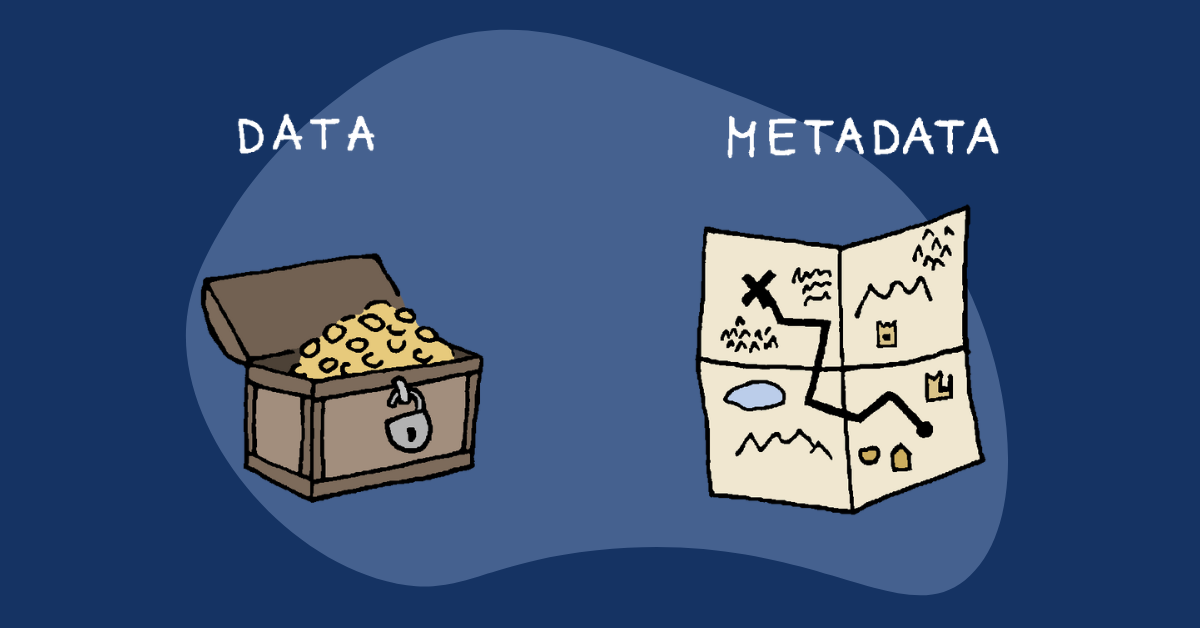
At first glance, a file looks simple.
A photo is just a photo.
A document is just a document.
But behind the scenes, most files carry extra information hidden inside them.
This hidden information is called metadata.
In digital forensics, metadata often becomes one of the most valuable sources of evidence because it reveals details that users rarely notice.
Sometimes a single metadata entry can completely change the story behind a file.
Let’s explore what metadata really is and why investigators pay so much attention to it.
What Exactly is Metadata?
Metadata is often described as “data about data.”
It provides additional details about a file, such as:
Think of metadata as the information label attached to every digital file.
Most of the time, this data is automatically generated by the operating system or the software used to create the file.
Users usually don’t see it unless they specifically check for it.
Metadata in Photos
Photos are one of the most interesting examples when it comes to metadata.
Modern smartphones automatically store EXIF metadata inside images.
This may include information such as:
In some cases, investigators can determine exactly where a photo was taken just by analyzing the embedded metadata.
This information can become extremely valuable during digital investigations.
Metadata in Documents
Documents also contain hidden metadata.
For example, Microsoft Word files often store details like:
document author
editing history
creation date
last modified date
Imagine someone claiming they wrote a report on a certain day.
A forensic investigator might check the metadata and discover that the file was actually created weeks earlier or edited by a completely different user.
Small details like this can reveal inconsistencies.
Why Metadata Matters in Digital Forensics
Metadata helps investigators build a timeline of events.
By analyzing metadata across multiple files, investigators can answer questions like:
These details help reconstruct what happened on a system during a cyber incident.
Even when someone deletes or edits files, the metadata can still provide useful clues.
Tools Used to Analyze Metadata
Digital forensic experts use specialized tools to examine metadata.
Some commonly used tools include:
ExifTool
Autopsy
FTK
EnCase
These tools extract metadata from files and present it in a structured format that investigators can analyze.
This allows analysts to quickly identify suspicious patterns or unusual activity.
Can Metadata Be Manipulated?
Yes, metadata can sometimes be modified.
Certain tools allow users to edit or remove metadata fields.
However, forensic investigators often analyze multiple artifacts to verify authenticity.
If metadata looks suspicious or inconsistent with other evidence, it can raise red flags during an investigation.
This is why investigators rarely rely on a single piece of information.
A Simple Lesson from Metadata
Metadata reminds us that digital files contain more information than we see on the surface.
What appears to be an ordinary photo or document might actually contain hidden details about its origin, history, and usage.
For digital forensic investigators, these hidden clues can become key pieces of evidence when reconstructing events.
In many investigations, the smallest piece of metadata can reveal a much larger story.
Final Thoughts
In cybersecurity and digital forensics, nothing is ever truly as simple as it appears.
Behind every file lies layers of information that most users never notice.
Metadata acts like a silent witness quietly recording details about how files are created, modified, and shared.
And sometimes, those hidden details become the key to solving a digital mystery.
#WRAP