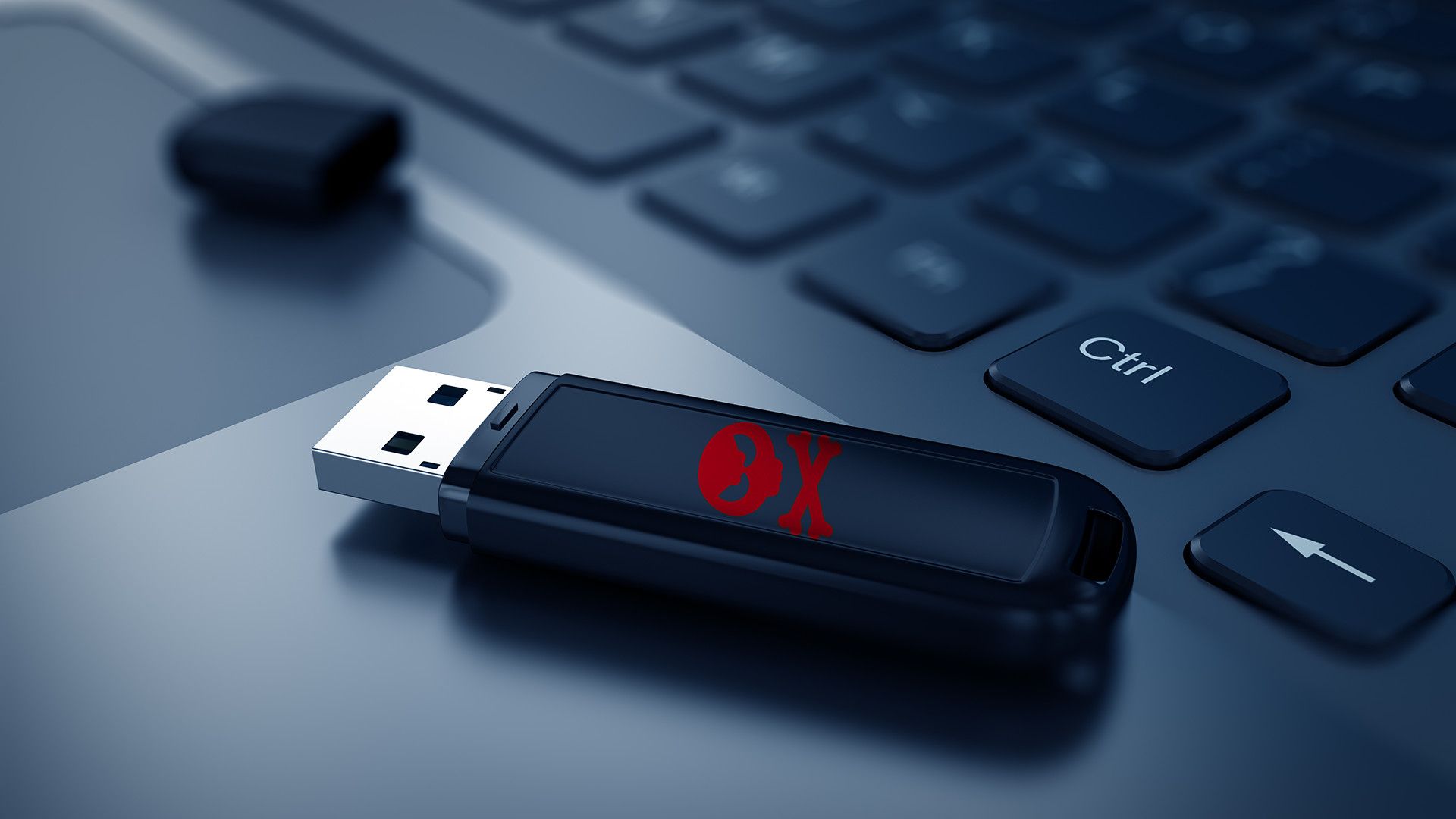
It might look like just a small USB drive.
But in digital forensics, a USB device can carry far more than just files.
It can contain malware, stolen data, hidden scripts, or traces of unauthorized activity.
And sometimes, a single USB device can reveal an entire story.
Why USB Devices Are Important in Investigations
USB drives are portable, easy to use, and often overlooked.
Because of this, they are commonly used to:
- transfer sensitive data
- introduce malware into systems
- bypass network-based security
- store unauthorized files
In many investigations, USB devices become a key source of evidence.
First Step: Safe Handling
When a suspicious USB device is found, investigators do not plug it in directly.
Why?
Because it could:
- execute malware automatically
- damage the system
- alter existing evidence
Instead, they use controlled environments and write blockers to safely analyze the device.
Analyzing the Contents
Investigators examine the files stored on the USB device, looking for:
- unusual file types
- hidden files
- executable programs
- suspicious scripts
Even deleted files may still be recoverable and can provide important clues.
Checking Metadata
Metadata helps investigators understand:
- when files were created
- when they were modified
- which system accessed them
This helps build a timeline of activity related to the USB device.
Detecting Malware
USB devices are often used to spread malware.
Investigators scan for:
- malicious executables
- autorun scripts
- hidden payloads
In some cases, malware is designed to activate as soon as the USB is connected.
USB Connection History
Systems often store records of connected USB devices.
Investigators can check:
- when the device was connected
- how long it was used
- which files were accessed
This helps link the USB device to specific actions on a system.
Real-World Significance
In many cases, USB devices are involved in:
- data theft incidents
- insider threats
- malware infections
Even a simple flash drive can become critical evidence in a cyber investigation.
Challenges in USB Analysis
Analyzing USB devices can be tricky because:
- data may be hidden or encrypted
- files may be intentionally disguised
- evidence may be partially deleted
Investigators must carefully analyze every detail.
Final Thoughts
A USB drive may seem harmless, but in cybersecurity, even the smallest device can carry serious risks.
Digital forensic investigators treat every device as a potential source of evidence.
Because sometimes, the smallest object holds the biggest clues.