New Survey Highlights Growing Concerns Over Cyber Transparency and Incident Disclosure
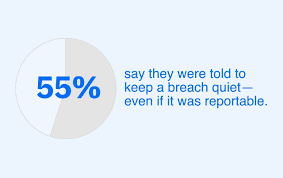
A new cybersecurity report from Bitdefender has revealed a troubling trend in enterprise security: 55% of cybersecurity professionals surveyed said they had been instructed to conceal a security breach or cyber incident from customers, regulators, or the public.
The findings raise important questions about cyber governance, corporate transparency, regulatory compliance, and the ethical challenges faced by security teams during incident response.
As governments worldwide strengthen breach notification requirements and organizations face increasing scrutiny over cyber resilience, the report suggests that internal pressure to suppress security incidents remains a significant issue.
Key Findings from the Report
According to Bitdefender's latest research, cybersecurity professionals continue to face organizational pressure when responding to security incidents.
Some of the report's notable findings include:
- 55% of respondents said they had been asked to conceal or delay disclosure of a cybersecurity breach.
- Many respondents cited concerns about reputational damage and customer trust as reasons organizations hesitate to report incidents.
- Security teams reported increasing pressure to balance business priorities with regulatory obligations.
- Respondents emphasized that timely communication and transparency are essential to maintaining trust and improving cyber resilience.
The report underscores the growing tension between business risk management and responsible cybersecurity practices.
Why Breach Transparency Matters
Prompt disclosure of cybersecurity incidents enables organizations, customers, and regulators to respond effectively.
Transparent reporting can help:
- Limit the spread of attacks.
- Protect affected users from additional fraud.
- Accelerate forensic investigations.
- Improve industry-wide threat intelligence.
- Support regulatory compliance.
- Maintain long-term customer trust.
Delaying or concealing breaches may leave customers unaware that their personal information or credentials have been exposed, increasing the risk of identity theft and financial fraud.
Increasing Regulatory Expectations
Around the world, governments are introducing stricter breach notification requirements.
Organizations are expected to:
- Report qualifying cyber incidents within defined timeframes.
- Notify regulators of significant security events.
- Inform affected customers when sensitive data is compromised.
- Preserve evidence for investigations.
- Maintain documented incident response procedures.
Failure to comply can result in regulatory penalties, legal action, and reputational damage.
The report suggests that organizations should align business decisions with these evolving compliance expectations rather than delaying disclosure.
The Ethical Challenges Facing Security Teams
Cybersecurity professionals often serve as the first line of defense during a cyber incident.
However, they may also face difficult ethical and operational decisions, including:
- Balancing transparency with legal considerations.
- Managing executive concerns over public perception.
- Coordinating with legal and communications teams.
- Meeting regulatory reporting obligations.
- Preserving customer confidence while investigations are ongoing.
These competing priorities can create significant pressure during incident response.
Why Organizations Delay Breach Disclosure
Security experts identify several common reasons organizations hesitate to disclose cyber incidents:
Reputational Concerns
Companies may worry that public disclosure could damage customer confidence or investor sentiment.
Financial Impact
Organizations often fear potential litigation, regulatory fines, or business disruption following a public breach announcement.
Ongoing Investigations
Some incidents require extensive forensic analysis before organizations can accurately determine the scope and impact of an attack.
Uncertainty About Regulatory Obligations
Complex reporting requirements across multiple jurisdictions can delay disclosure decisions.
While these concerns are understandable, experts caution that transparency remains critical for effective cyber risk management.
Building a Culture of Cyber Transparency
Organizations can improve trust and resilience by adopting stronger governance practices.
Recommended measures include:
Develop Clear Incident Response Policies
Define roles, responsibilities, and escalation procedures before a cyber incident occurs.
Strengthen Executive Oversight
Ensure boards and senior leadership understand regulatory obligations and support transparent decision-making.
Conduct Regular Incident Response Exercises
Simulated cyber incidents can help teams prepare for disclosure decisions under pressure.
Foster an Ethical Security Culture
Encourage security teams to report risks without fear of retaliation and promote accountability throughout the organization.
Stay Informed on Regulatory Requirements
Continuously monitor changes to cybersecurity laws and breach notification rules in every jurisdiction where the organization operates.
Industry-Wide Implications
The Bitdefender report highlights a broader challenge for the cybersecurity industry.
As cyberattacks become more frequent and sophisticated, organizations are expected not only to defend against threats but also to communicate openly when incidents occur.
Transparent reporting enables security researchers, regulators, and industry peers to better understand evolving attack techniques, improve defenses, and reduce systemic risk.
For CISOs and security leaders, establishing trust through responsible disclosure is becoming an increasingly important component of cyber resilience.
The Bigger Picture
Cybersecurity is no longer solely a technical discipline—it is a governance, legal, and business issue.
Customers, regulators, and investors increasingly expect organizations to demonstrate accountability and transparency when responding to cyber incidents.
The Bitdefender findings suggest that while many organizations have invested heavily in technical defenses, some still face cultural and governance challenges that can undermine effective incident response.
Strengthening organizational transparency may prove just as important as deploying advanced security technologies.
Conclusion
Bitdefender's report offers a stark reminder that cybersecurity extends beyond firewalls and threat detection. How organizations respond to and communicate about cyber incidents is equally critical.
As regulatory requirements tighten and public expectations grow, fostering a culture of transparency, ethical leadership, and timely breach disclosure will be essential for maintaining trust and strengthening long-term cyber resilience.
Organizations that prioritize openness alongside strong technical defenses will be better positioned to navigate the increasingly complex cybersecurity landscape.