India's Ministry of Home Affairs Issues Alert on Sophisticated Business Email Compromise Campaign
The Ministry of Home Affairs (MHA) has issued a nationwide cybersecurity advisory warning enterprises about a rapidly growing "Boss Scam" network targeting organizations across India. The campaign leverages Business Email Compromise (BEC) tactics, social engineering, and impersonation techniques to trick employees into making unauthorized financial transactions or disclosing sensitive corporate information.
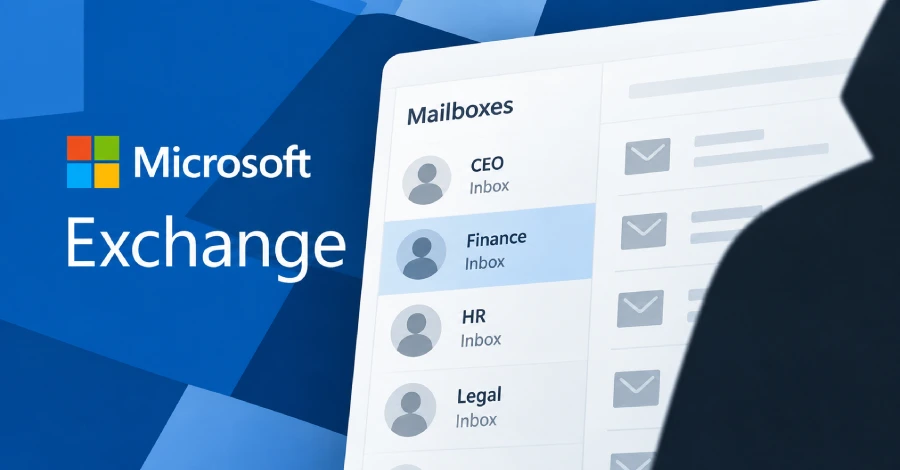
According to the advisory, attackers impersonate senior executives such as CEOs, CFOs, HR heads, or business partners to manipulate employees into transferring funds, purchasing gift cards, or sharing confidential business data.
Security experts warn that the scam is becoming increasingly sophisticated, making it difficult for traditional email security solutions to detect fraudulent communications.
What Is the "Boss Scam"?
The Boss Scam is a form of Business Email Compromise (BEC) in which cybercriminals exploit trust within an organization by pretending to be high-ranking executives.
Rather than relying on malware, attackers use psychological manipulation and carefully crafted emails or messages to convince employees that urgent action is required.
Common objectives include:
- Fraudulent wire transfers
- Theft of corporate funds
- Payroll fraud
- Disclosure of confidential documents
- Credential harvesting
- Procurement fraud
Because these attacks rely on human error instead of software vulnerabilities, even organizations with mature cybersecurity defenses can become victims.
How the Attack Works
The MHA advisory highlights a typical attack chain used by threat actors.
Step 1: Reconnaissance
Attackers gather publicly available information from:
- Company websites
- LinkedIn profiles
- Social media accounts
- Press releases
- Corporate directories
This information helps them identify executives and employees responsible for finance or procurement.
Step 2: Executive Impersonation
Cybercriminals create spoofed or lookalike email addresses that closely resemble legitimate corporate accounts.
Examples include:
- Slight spelling variations
- Similar-looking domains
- Display name spoofing
- Fake executive signatures
Step 3: Creating Urgency
Victims receive messages requesting immediate action, such as:
- Urgent wire transfers
- Vendor payments
- Purchase of digital gift cards
- Confidential document sharing
- Changes to banking details
Attackers often instruct employees to maintain secrecy, discouraging verification with colleagues.
Step 4: Financial Fraud
Once the employee complies, funds are transferred to attacker-controlled accounts or sensitive information is stolen for further exploitation.
Why the Boss Scam Is So Effective
Unlike traditional phishing campaigns that cast a wide net, Boss Scam attacks are highly targeted.
Attackers often:
- Research organizational structures
- Study executive communication styles
- Time attacks during holidays or business travel
- Exploit ongoing vendor relationships
- Use AI-assisted language generation to create convincing messages
These tactics increase the likelihood that recipients will trust the fraudulent requests.
Industries at Highest Risk
Although any organization can be targeted, sectors handling high-value financial transactions are particularly vulnerable.
Common targets include:
- Financial institutions
- Manufacturing companies
- IT and software firms
- Healthcare organizations
- Educational institutions
- Government agencies
- Logistics providers
- Retail enterprises
Small and medium-sized businesses (SMBs) are also increasingly targeted due to limited cybersecurity resources.
Potential Business Impact
A successful Boss Scam can result in significant operational and financial consequences.
Potential impacts include:
- Direct financial losses
- Exposure of confidential business information
- Regulatory compliance issues
- Reputational damage
- Supply-chain disruption
- Legal liabilities
- Loss of customer trust
Globally, Business Email Compromise remains one of the most financially damaging forms of cybercrime.
MHA's Recommended Security Measures
To reduce the risk of compromise, the Ministry of Home Affairs recommends that organizations strengthen both technical and procedural controls.
1. Verify Financial Requests
Always confirm payment instructions through an independent communication channel such as a phone call or secure messaging platform.
2. Enable Multi-Factor Authentication (MFA)
Protect executive email accounts with MFA to reduce the risk of account compromise.
3. Conduct Employee Awareness Training
Regular phishing and social engineering awareness programs help employees recognize suspicious requests.
4. Strengthen Email Security
Deploy technologies such as:
- SPF (Sender Policy Framework)
- DKIM (DomainKeys Identified Mail)
- DMARC (Domain-based Message Authentication, Reporting and Conformance)
These controls help prevent email spoofing and domain impersonation.
5. Monitor Executive Accounts
Implement enhanced monitoring for privileged accounts and unusual login activity.
6. Establish Payment Verification Policies
Require dual approval for large financial transactions and changes to vendor banking information.
Why Business Email Compromise Is Growing
Cybercriminals increasingly prefer Business Email Compromise because it offers high financial returns without deploying ransomware or malware.
The rise of remote work, cloud-based collaboration platforms, and AI-generated communications has made impersonation attacks even more convincing.
Experts note that organizations must now treat social engineering as a strategic business risk rather than simply an IT issue.
The Bigger Picture
The MHA's warning reflects a broader global trend in cybercrime, where attackers increasingly exploit human behavior instead of technical vulnerabilities.
While organizations continue investing in firewalls, endpoint protection, and threat detection, cybercriminals are focusing on manipulating employees through trust, urgency, and authority.
Building a cyber-aware workforce, implementing robust verification procedures, and strengthening email authentication are now essential components of enterprise security.
Conclusion
The Ministry of Home Affairs' advisory on the malicious "Boss Scam" network serves as a timely reminder that human-focused cyberattacks remain one of the greatest threats to modern organizations.
As Business Email Compromise campaigns continue to evolve, enterprises must combine technical safeguards with employee awareness and strong financial verification processes to defend against increasingly sophisticated social engineering attacks.
Organizations that proactively strengthen email security and cultivate a security-conscious culture will be far better positioned to prevent costly fraud and protect sensitive business information.