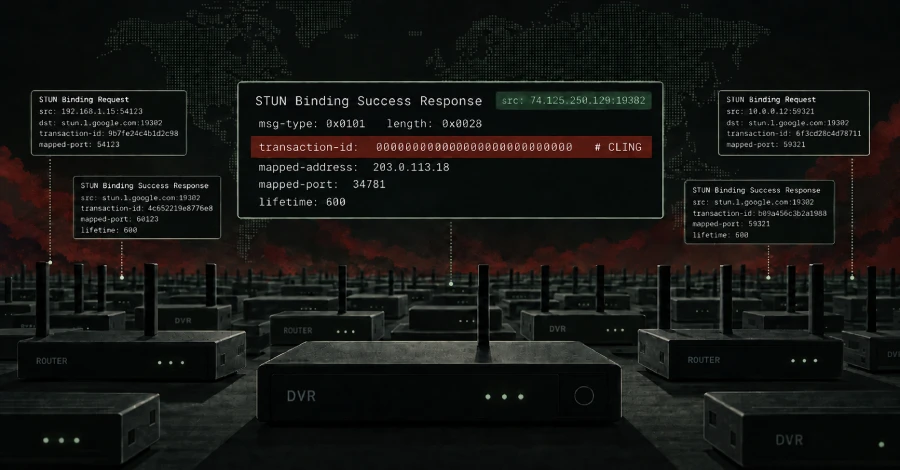
The Russian state-sponsored threat group Turla, also known as Snake, Uroburos, or Waterbug, has been linked to a newly discovered stealthy malware known as STOCKSTAY, according to cybersecurity researchers. The advanced backdoor is designed to maintain long-term access to compromised Windows systems while evading traditional security solutions.
The discovery highlights Turla's continued focus on cyber espionage, with the group employing sophisticated techniques to infiltrate government agencies, diplomatic organizations, defense contractors, and other high-value targets.
Researchers warn that STOCKSTAY represents another evolution in Turla's malware arsenal, showcasing the group's ability to develop custom tools for covert intelligence-gathering operations.
What Is STOCKSTAY?
STOCKSTAY is a newly identified backdoor that enables attackers to establish persistent remote access to infected systems.
Once deployed, the malware allows threat actors to:
- Execute arbitrary commands remotely
- Upload and download files
- Collect system information
- Maintain long-term persistence
- Deploy additional malware payloads
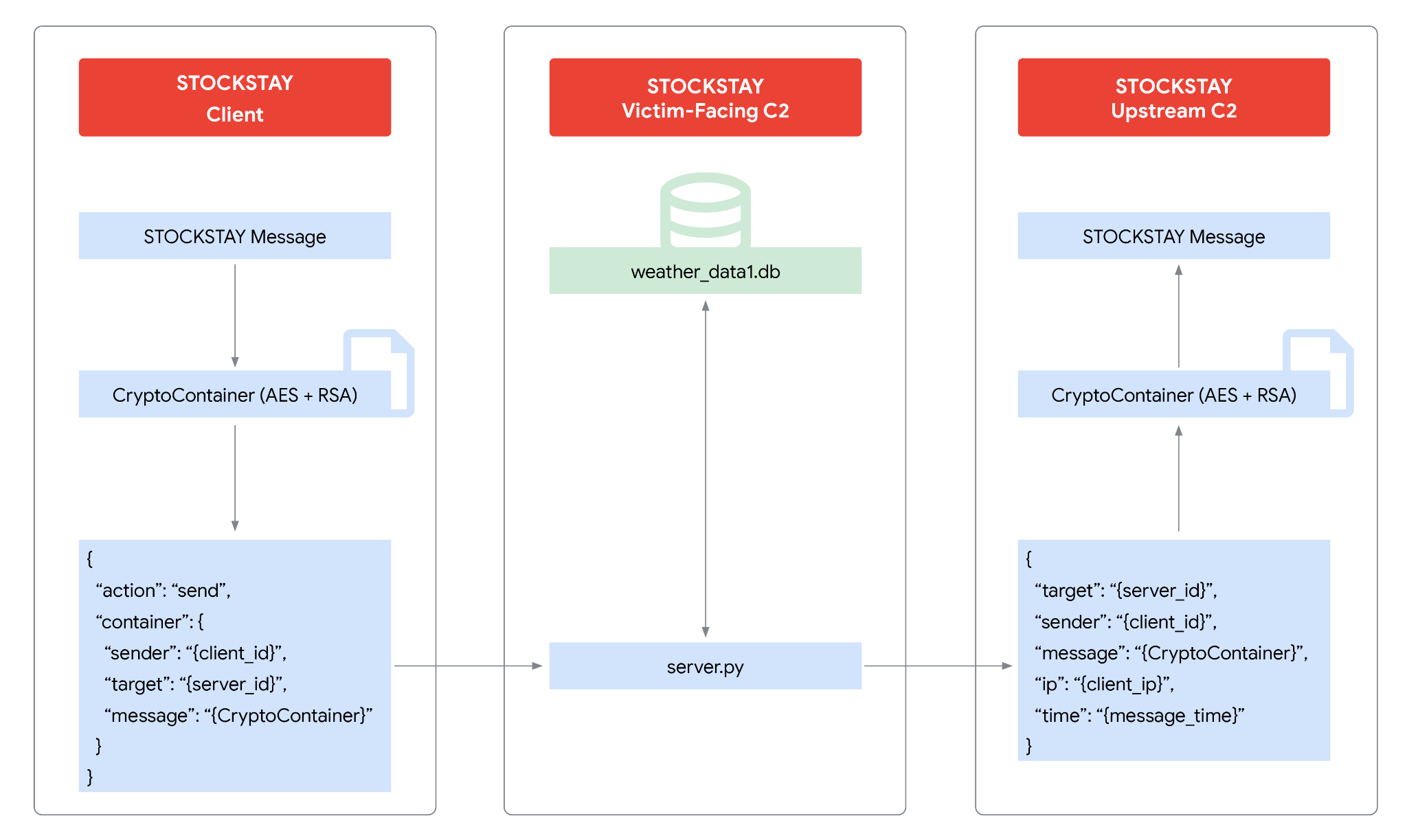
- Communicate securely with command-and-control (C2) servers
Unlike commodity malware, STOCKSTAY is engineered to remain hidden for extended periods, making detection significantly more challenging.
Who Is Turla?
Turla is one of the world's most sophisticated Advanced Persistent Threat (APT) groups and has been active for more than two decades.
The group has been linked to numerous cyber espionage campaigns targeting:
- Government agencies
- Foreign ministries
- Military organizations
- Defense contractors
- Telecommunications providers
- Research institutions
- Diplomatic missions
Rather than seeking financial gain, Turla's operations are primarily focused on intelligence collection and long-term surveillance.
How the Attack Works
According to researchers, the attack chain involves carefully planned stages that prioritize stealth and persistence.
Initial Access
Attackers first gain access through methods such as:
- Spear-phishing emails
- Exploitation of internet-facing vulnerabilities
- Compromised credentials
- Trusted third-party relationships
Malware Deployment
Once inside the network, STOCKSTAY is deployed to establish a covert foothold.
The malware is designed to blend into legitimate system activity, reducing the likelihood of detection.
Command and Control
The backdoor communicates with attacker-controlled infrastructure using encrypted channels, enabling operators to:
- Issue remote commands
- Transfer stolen files
- Deploy additional payloads
- Update malware components
This encrypted communication helps evade network monitoring and security controls.
Why STOCKSTAY Is Dangerous
Researchers highlight several features that make STOCKSTAY particularly effective.
Stealthy Persistence
The malware is designed to survive system reboots while minimizing forensic evidence.
Modular Architecture
Operators can extend functionality by delivering additional components after initial compromise.
Low Detection Profile
By avoiding noisy behavior and using legitimate Windows processes where possible, STOCKSTAY reduces the chances of triggering security alerts.
Long-Term Espionage
The malware supports prolonged access, allowing attackers to quietly monitor victim environments for months before detection.
Likely Targets
Although the campaign appears highly selective, organizations in the following sectors may face elevated risk:
- Government agencies
- Defense organizations
- Critical infrastructure
- Telecommunications
- Aerospace
- Energy providers
- Research institutions
- International organizations
Turla has historically focused on strategic targets where intelligence collection provides geopolitical value.
Indicators of Advanced Persistent Threat Activity
Security teams should monitor for:
- Unusual outbound encrypted traffic
- Unauthorized scheduled tasks or services
- Unexpected administrative activity
- Unknown remote-access processes
- Suspicious PowerShell execution
- Persistence mechanisms appearing after phishing attempts
Because advanced threat groups often move slowly and deliberately, continuous monitoring is critical for identifying subtle indicators of compromise.
Recommended Defensive Measures
Organizations should adopt a layered security strategy to reduce the risk of advanced espionage campaigns.
Apply Security Updates Promptly
Patch operating systems and internet-facing applications to eliminate known vulnerabilities.
Strengthen Identity Security
- Enable Multi-Factor Authentication (MFA)
- Implement least-privilege access
- Audit privileged accounts regularly
Deploy Endpoint Detection and Response (EDR)
Behavior-based detection tools can identify suspicious activity even when malware avoids traditional signature-based detection.
Monitor Network Traffic
Inspect outbound communications for connections to unfamiliar infrastructure or encrypted channels that deviate from normal behavior.
Conduct Threat Hunting
Proactively search for indicators associated with Turla campaigns, unusual persistence mechanisms, and unauthorized administrative activity.
Improve Email Security
Train employees to recognize spear-phishing attempts and deploy advanced email filtering to reduce the risk of initial compromise.
The Bigger Picture
The emergence of STOCKSTAY demonstrates that nation-state threat actors continue to invest in highly customized malware capable of bypassing conventional defenses.
Unlike financially motivated ransomware groups, espionage-focused actors prioritize persistence, stealth, and intelligence gathering over immediate disruption. This makes them particularly challenging to detect, as they often avoid behavior that would draw attention.
The discovery also reinforces the importance of adopting a proactive security posture that combines threat intelligence, continuous monitoring, endpoint protection, and regular threat-hunting activities.
Conclusion
The discovery of the STOCKSTAY backdoor marks another significant development in the evolving toolkit of the Russian-linked Turla APT group. By leveraging stealth, persistence, and encrypted communications, the malware enables long-term cyber espionage against strategically important organizations.
As nation-state cyber operations continue to evolve, organizations must remain vigilant by strengthening endpoint security, monitoring for advanced threats, and rapidly responding to suspicious activity before attackers can establish a lasting foothold.