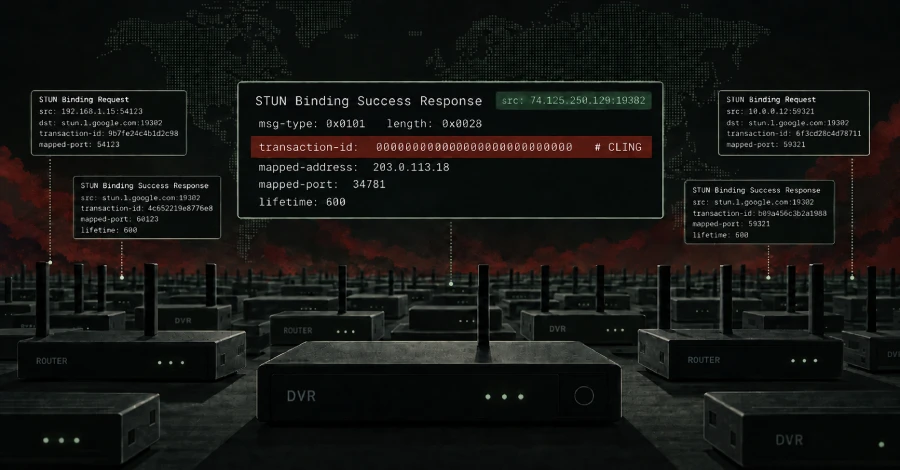
Taiwan has confirmed that its government agencies were targeted by an AI-assisted cyberattack campaign, marking a major development in the use of autonomous AI agents for cyber operations.
Researchers reported that attackers used multiple AI agents to automate reconnaissance, identify vulnerabilities, adapt attack strategies, and compromise government systems. The campaign reportedly compromised at least 85 government accounts and exposed more than 2,500 personnel records before expanding toward Taiwan's nuclear safety agency and energy companies.
Taiwan's Ministry of Digital Affairs said the attacks originated overseas and combined traditional hacking techniques with AI-driven tools. Government cybersecurity teams detected and contained the activity, while additional security measures have been introduced.
Why It Matters
The incident demonstrates how AI could dramatically accelerate cyberattacks by allowing attackers to automate tasks that traditionally required significant human effort. However, experts stress that human operators still play an important role in directing AI-powered attacks.
Conclusion
The Taiwan campaign highlights a new challenge for cybersecurity teams: defending against attackers that can use AI agents to operate faster, scale attacks, and adapt to changing conditions. Organizations should strengthen AI security, identity protection, network monitoring, vulnerability management, and incident response as autonomous technologies become increasingly accessible.