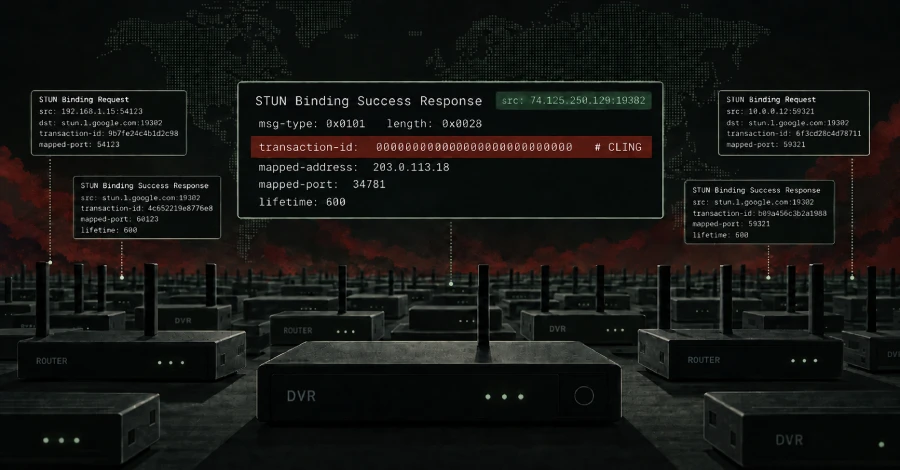
A new cybersecurity report warns that threat actors are becoming more willing to destroy Operational Technology (OT) systems rather than simply disrupt them, marking a significant shift in the threat landscape for critical infrastructure. Researchers note that modern attackers are increasingly aiming to cause physical damage, prolonged downtime, and operational disruption across industries such as energy, manufacturing, water utilities, transportation, and healthcare.
Unlike traditional IT attacks focused on data theft or ransomware, destructive OT attacks can manipulate industrial control systems (ICS), disable safety mechanisms, or damage equipment, leading to costly operational outages and potential safety risks. As industrial environments become more connected through digital transformation, the attack surface for cybercriminals and nation-state actors continues to expand.
Recommended Security Measures
Organizations operating OT environments should:
Segment IT and OT networks to limit lateral movement.
Enforce Multi-Factor Authentication (MFA) for remote access.
Continuously monitor industrial control systems for suspicious activity.
Regularly patch and update OT assets where operationally feasible.
Develop and test incident response and disaster recovery plans.
Conduct regular OT security assessments and employee awareness training.
Why It Matters
Critical infrastructure is increasingly becoming a strategic target for cybercriminals and nation-state groups. A successful attack on OT systems can disrupt essential services, damage equipment, and create real-world operational and safety consequences, making OT cybersecurity a top priority for organizations worldwide.
Conclusion
The growing trend toward destructive OT attacks highlights the urgent need for stronger cyber resilience across industrial environments. By adopting a defense-in-depth strategy, continuous monitoring, and robust incident response capabilities, organizations can better protect critical infrastructure from evolving cyber threats.