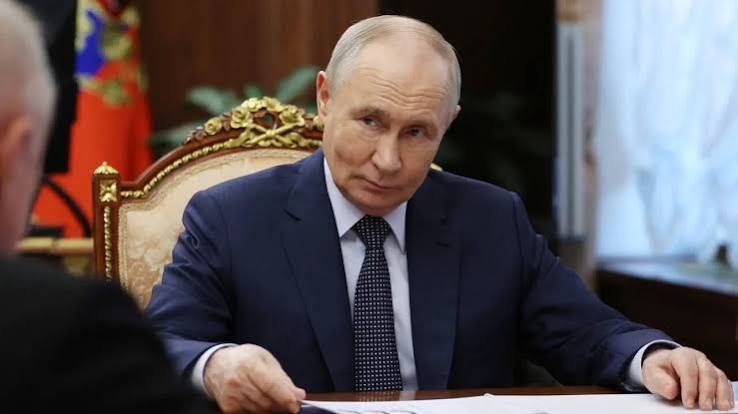
The United Kingdom and the European Union have announced a coordinated sanctions package targeting individuals, organizations, and entities accused of supporting Russian state-linked cyber operations. The joint action is part of a broader effort to disrupt cyber activities associated with espionage, disinformation campaigns, ransomware facilitation, and attacks against critical infrastructure.
According to officials, the sanctions are designed to restrict the operational capabilities of cyber proxies that allegedly assist Russian state interests by providing technical expertise, infrastructure, financial support, or logistical assistance for malicious cyber campaigns.
The coordinated move reflects increasing international cooperation in countering state-sponsored cyber threats and strengthening collective cyber resilience.
Why the Sanctions Were Introduced
Western governments have repeatedly expressed concerns over cyber operations attributed to Russian state-backed groups and affiliated proxy organizations.
These campaigns have reportedly targeted:
Government agencies
Critical infrastructure operators
Financial institutions
Defense contractors
Telecommunications providers
Energy companies
Research organizations
International supply chains
Officials say the latest sanctions are intended to reduce the resources available to groups involved in these activities while increasing the financial and legal consequences for those supporting malicious cyber operations.
What the Sanctions Include
The joint UK-EU measures are expected to include a combination of financial and legal restrictions, such as:
Asset freezes on designated individuals and organizations
Restrictions on business transactions
Travel bans for sanctioned individuals
Limits on access to financial services
Prohibitions on providing technical or commercial support to listed entities
By coordinating these actions, both governments aim to make it more difficult for sanctioned entities to operate across international jurisdictions.
Understanding Cyber Proxies
Cyber proxies are organizations, contractors, or individuals that conduct or support cyber operations while maintaining varying degrees of separation from government agencies.
These groups may assist with:
Cyber espionage
Malware development
Infrastructure management
Credential theft campaigns
Information operations
Network intrusion activities
Using proxy organizations can provide states with operational flexibility and complicate efforts to attribute cyber incidents.
Growing International Cooperation
The sanctions demonstrate an increasing willingness among allied governments to respond collectively to cyber threats.
Recent international cybersecurity cooperation has included:
Joint threat intelligence sharing
Coordinated public attribution of cyber incidents
Shared indicators of compromise (IOCs)
Joint cybersecurity advisories
Collaborative law enforcement investigations
Sanctions against cybercrime facilitators
Officials believe coordinated responses improve collective resilience and increase the costs associated with malicious cyber activity.
Impact on Organizations
Although the sanctions primarily target specific entities, businesses should remain aware of their broader implications.
Organizations may need to:
Review vendor and third-party relationships.
Update sanctions compliance programs.
Monitor evolving threat intelligence.
Strengthen supply chain security.
Assess exposure to high-risk jurisdictions.
Enhance incident detection and response capabilities.
Companies operating internationally should also ensure compliance with applicable sanctions regulations to avoid legal and financial risks.
Why This Matters for Cybersecurity
Cyber sanctions have become an increasingly important tool in responding to state-sponsored cyber activity.
Unlike traditional military responses, sanctions aim to:
Disrupt financial networks
Restrict access to technology
Increase operational costs
Deter future cyber operations
Strengthen international accountability
While sanctions alone may not eliminate cyber threats, they form part of a broader strategy that includes diplomacy, intelligence sharing, defensive cybersecurity measures, and law enforcement cooperation.
Best Practices for Organizations
Security teams should continue strengthening defenses against advanced cyber threats by:
Monitoring Threat Intelligence
Stay informed about emerging tactics, techniques, and procedures (TTPs) associated with advanced threat groups.
Securing Third-Party Relationships
Conduct regular security assessments of suppliers, contractors, and technology partners.
Strengthening Identity Security
Implement multi-factor authentication (MFA), privileged access management, and Zero Trust principles.
Improving Detection Capabilities
Deploy Endpoint Detection and Response (EDR), Security Information and Event Management (SIEM), and continuous monitoring solutions.
Conducting Regular Security Exercises
Test incident response plans through tabletop exercises and red-team assessments.
The Bigger Picture
The joint UK-EU sanctions reflect the growing recognition that cybersecurity has become a central component of international security and foreign policy.
Governments are increasingly combining legal, financial, diplomatic, and technical measures to respond to cyber operations that threaten national security and critical infrastructure.
As geopolitical tensions continue to influence cyberspace, organizations should expect increased regulatory scrutiny, evolving compliance requirements, and greater emphasis on cyber resilience.
Conclusion
The coordinated sanctions imposed by the United Kingdom and the European Union against alleged Russian state cyber proxies mark another significant step in the international response to state-linked cyber threats.
By targeting the financial and operational networks that support malicious cyber activity, the measures aim to increase accountability and reduce the ability of threat actors to conduct disruptive campaigns.
For businesses and cybersecurity professionals, the announcement underscores the importance of staying informed about geopolitical developments, strengthening cyber defenses, and ensuring compliance with international sanctions as the global threat landscape continues to evolve.