Global Crackdown Deals Major Blow to Ransomware Ecosystem
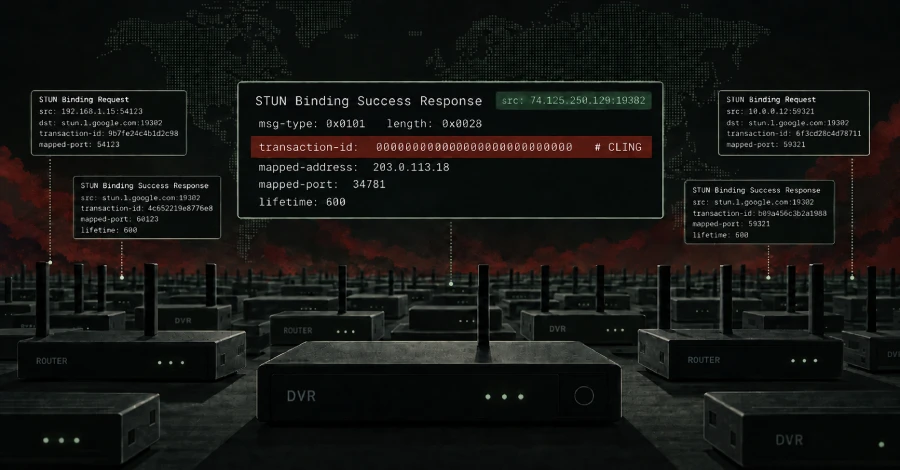
In a significant victory against cybercrime, international law enforcement agencies have successfully dismantled a major ransomware distribution pipeline, disrupting a network responsible for enabling attacks against organizations worldwide. The operation targeted critical infrastructure used by cybercriminals to deploy ransomware, communicate with affiliates, and manage illicit payments.
The coordinated effort involved multiple countries and cybersecurity agencies working together to identify, track, and seize servers associated with the ransomware ecosystem. Authorities confirmed that several key components of the operation were taken offline, severely impacting the group's ability to launch future attacks.
What Was the Ransomware Pipeline?
Unlike traditional ransomware groups that directly attack victims, ransomware pipelines serve as the backbone of cybercriminal operations. These infrastructures provide malware delivery mechanisms, access brokerage services, command-and-control servers, and affiliate management systems.
Cybercriminals often rely on these pipelines to gain initial access to corporate networks, distribute ransomware payloads, and negotiate ransom payments. By dismantling the infrastructure, law enforcement has effectively disrupted a critical stage in the ransomware attack chain.
Authorities Seize Servers and Digital Assets
According to officials, the operation resulted in the seizure of multiple servers, digital assets, and communication platforms used by threat actors. Investigators also collected valuable intelligence that may help identify additional cybercriminals involved in ransomware campaigns.
Law enforcement agencies reported that the takedown affected numerous affiliates who depended on the infrastructure to conduct attacks. The disruption is expected to slow down ongoing ransomware operations and limit the group's ability to recruit new partners.
Impact on the Cybercrime Landscape
Ransomware remains one of the most profitable forms of cybercrime, generating billions of dollars in damages annually. Criminal groups increasingly operate under a Ransomware-as-a-Service (RaaS) model, allowing affiliates to launch attacks using pre-built tools and infrastructure.
The dismantling of this ransomware pipeline demonstrates a growing trend among governments and cybersecurity organizations to target not only the ransomware operators but also the supporting infrastructure that enables large-scale attacks.
Security experts believe such operations can significantly increase operational costs for cybercriminals, forcing them to rebuild infrastructure and seek alternative methods of conducting attacks.
Organizations Should Remain Vigilant
While the takedown represents a major achievement, cybersecurity professionals warn that ransomware threats are unlikely to disappear entirely. Threat actors often adapt quickly, establishing new infrastructure and evolving their tactics to evade detection.
Organizations are encouraged to strengthen their cybersecurity posture by:
- Implementing multi-factor authentication (MFA)
- Regularly patching software and systems
- Conducting employee security awareness training
- Maintaining secure offline backups
- Monitoring networks for suspicious activity
- Deploying endpoint detection and response (EDR) solutions
Growing International Cooperation Against Cybercrime
The success of the operation highlights the importance of international collaboration in combating ransomware and other cyber threats. As cybercriminal networks continue to operate across borders, coordinated efforts between governments, law enforcement agencies, and private-sector cybersecurity firms are becoming increasingly essential.
Experts believe that continued disruption of ransomware infrastructure will play a crucial role in reducing the frequency and impact of future attacks.
Conclusion
The dismantling of a major ransomware pipeline marks another important milestone in the global fight against cybercrime. By targeting the infrastructure that powers ransomware operations, authorities have disrupted a key component of the cybercriminal ecosystem and demonstrated that coordinated international action can produce meaningful results.
However, organizations should not view this as the end of the ransomware threat. Maintaining strong cybersecurity defenses, proactive monitoring, and incident response preparedness remains critical as threat actors continue to evolve and seek new opportunities to compromise networks.