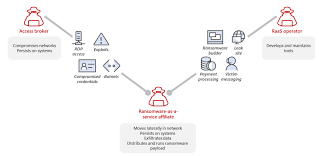
Cybersecurity researchers have identified the DevMan Ransomware-as-a-Service (RaaS) portal as an example of how centralized affiliate management is making ransomware operations faster, more scalable, and easier to coordinate. By providing affiliates with a unified platform for victim management, payload deployment, negotiations, and performance tracking, RaaS operators can streamline attacks while lowering the technical barrier for cybercriminals.
Unlike traditional ransomware groups that required extensive technical expertise, modern RaaS platforms function much like legitimate SaaS businesses. Affiliates gain access to ransomware builders, attack dashboards, payment tracking, and support services, enabling them to launch campaigns more efficiently and at greater scale.
Why It Matters
The rise of centralized RaaS platforms highlights the increasing professionalization of cybercrime. With automated infrastructure and affiliate-friendly tools, ransomware groups can expand their operations rapidly, increasing the frequency and sophistication of attacks against businesses, healthcare providers, government agencies, and critical infrastructure.
How Organizations Can Defend
Security experts recommend that organizations:
Enforce Multi-Factor Authentication (MFA) across all critical accounts.
Patch known vulnerabilities promptly.
Monitor privileged accounts for unusual activity.
Maintain offline and immutable backups.
Deploy Endpoint Detection and Response (EDR) and continuous threat monitoring.
Regularly train employees to recognize phishing and social engineering attacks.
Conclusion
The DevMan RaaS portal demonstrates how ransomware has evolved into a highly organized cybercriminal business model. As affiliate operations become more centralized and automated, organizations must strengthen their cyber defenses, improve incident response capabilities, and adopt proactive security measures to stay ahead of evolving ransomware threats.