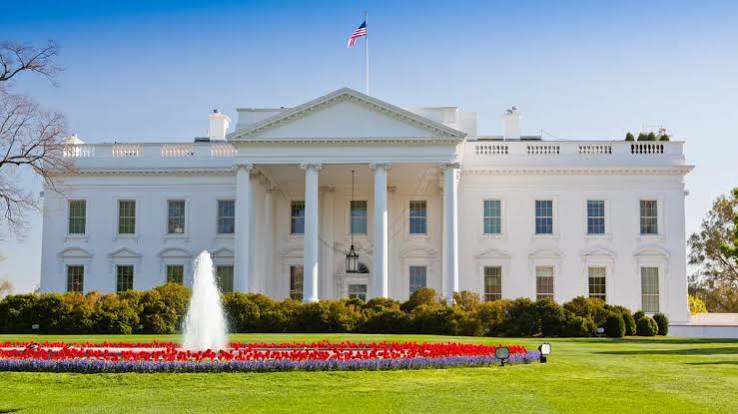
The White House is facing growing pressure over its evolving approach to artificial intelligence and cybersecurity, as new executive actions and national cyber strategies trigger debate among technology leaders, security experts, and policymakers.
Recent developments reveal that the U.S. administration is attempting to balance rapid AI innovation with rising concerns over cybersecurity threats, critical infrastructure protection, and national security risks.
White House Delays AI Executive Order
In a surprising move, President Donald Trump recently postponed the signing of a major executive order focused on AI safety and cybersecurity. Reports indicate the administration delayed the rollout due to disagreements over how much regulation should be placed on advanced AI systems.
The proposed order reportedly aimed to establish voluntary government oversight for advanced AI models developed by major technology companies such as OpenAI, Google, and Anthropic. Under the proposal, AI firms would notify the government before releasing highly capable systems that may pose cybersecurity or national security risks.
According to reports, internal disagreements inside the administration centered on fears that excessive regulation could weaken America’s competitive advantage against nations like China in the global AI race.
Cybersecurity Becomes a National Priority
The White House has simultaneously intensified its cybersecurity agenda by introducing a broader national cyber strategy aimed at defending critical infrastructure and countering cybercriminal organizations.
Earlier this year, the administration released a new National Cyber Strategy focused on offensive cyber operations, AI-driven defense systems, and public-private collaboration.
The strategy highlights six major pillars, including:
- Strengthening federal cybersecurity defenses
- Expanding offensive cyber capabilities
- Securing critical infrastructure
- Accelerating AI adoption
- Enhancing public-private threat intelligence sharing
- Protecting emerging technologies such as quantum computing
Officials from the White House Office of the National Cyber Director stated that the strategy is designed to maintain U.S. dominance in cyberspace while responding more aggressively to foreign cyber threats.
AI and Cybersecurity Converge
One of the administration’s biggest priorities is integrating AI into national cybersecurity operations. Reports suggest the White House has questioned major tech firms about how they use AI to defend networks and prepare for AI-driven cyberattacks.
At the same time, the administration is exploring advanced AI systems for vulnerability discovery and cyber defense. Discussions surrounding the use of Anthropic’s AI models in federal cybersecurity operations have further highlighted the government’s growing interest in AI-powered security solutions.
Experts warn, however, that powerful AI systems could also become tools for cybercriminals, enabling automated phishing attacks, malware development, and large-scale cyber espionage.
Rising Concerns Over Federal Cyber Funding
Despite the administration’s aggressive cyber posture, concerns remain about proposed cuts to cybersecurity programs. State officials recently urged the federal government to maintain cybersecurity funding and preserve support for agencies like Cybersecurity and Infrastructure Security Agency (CISA).
Critics argue that reducing cyber budgets while expanding offensive cyber initiatives may create gaps in national defense capabilities, especially as ransomware groups and nation-state actors continue targeting critical infrastructure worldwide.
Industry Reaction Mixed
Technology companies appear divided over the White House’s intervention strategy.
Some industry leaders support voluntary AI oversight and stronger collaboration with federal agencies to reduce cybersecurity risks. Others fear government involvement could slow innovation and create compliance burdens for rapidly evolving AI technologies.
Security analysts note that the administration’s current approach reflects a broader shift toward industry-led cybersecurity regulation rather than heavy federal control.
The Bigger Picture
The White House’s intervention in AI and cybersecurity policy signals a major turning point for the technology industry. As AI systems become more powerful and cyber threats continue escalating, governments worldwide are racing to establish frameworks that balance innovation with national security.
Whether the administration’s strategy ultimately strengthens cybersecurity or creates new political and technological tensions remains uncertain. However, one thing is clear: AI and cybersecurity have become central to the future of global digital power.