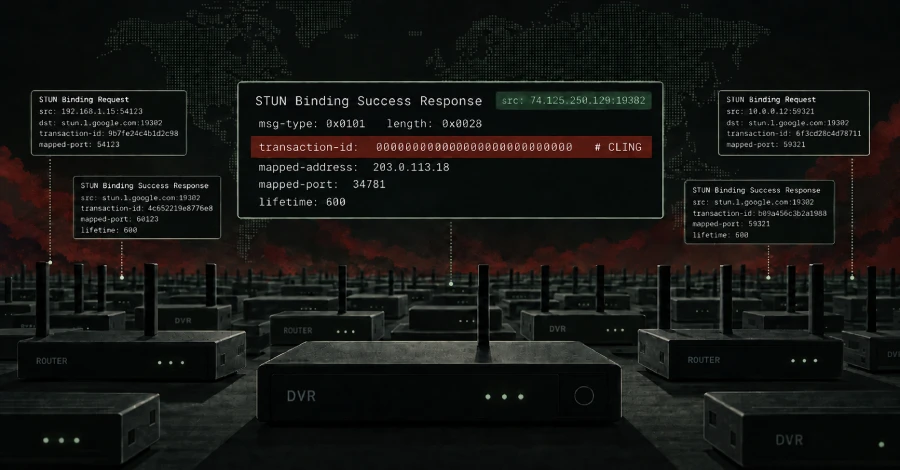
Cybersecurity researchers have identified a new attack technique, dubbed Kimi K3, that targets misconfigured Redis servers to gain unauthorized access and potentially compromise cloud environments. The campaign exploits insecure Redis configurations, highlighting the ongoing risks of exposing database services to the internet without proper authentication and access controls.
According to researchers, attackers scan for publicly accessible Redis instances with weak or default configurations. Once access is gained, they may execute unauthorized commands, modify server settings, deploy malicious payloads, or steal sensitive data stored within the database. Organizations running Redis in cloud or hybrid environments are particularly at risk if security best practices have not been implemented.
Recommended Security Measures
To mitigate the risk, organizations should:
Restrict Redis access to trusted internal networks.
Enable authentication and strong access controls.
Disable unnecessary administrative commands.
Keep Redis servers updated with the latest security patches.
Continuously monitor for suspicious access attempts and configuration changes.
Why It Matters
Redis is widely used for caching, session management, and real-time applications. Misconfigured Redis deployments remain a common target for cybercriminals because they can provide a pathway to sensitive data and broader infrastructure compromise.
Conclusion
The Kimi K3 campaign serves as a reminder that secure configuration is just as important as timely patching. Regular security audits, network segmentation, and continuous monitoring are essential to protecting Redis deployments from emerging threats.