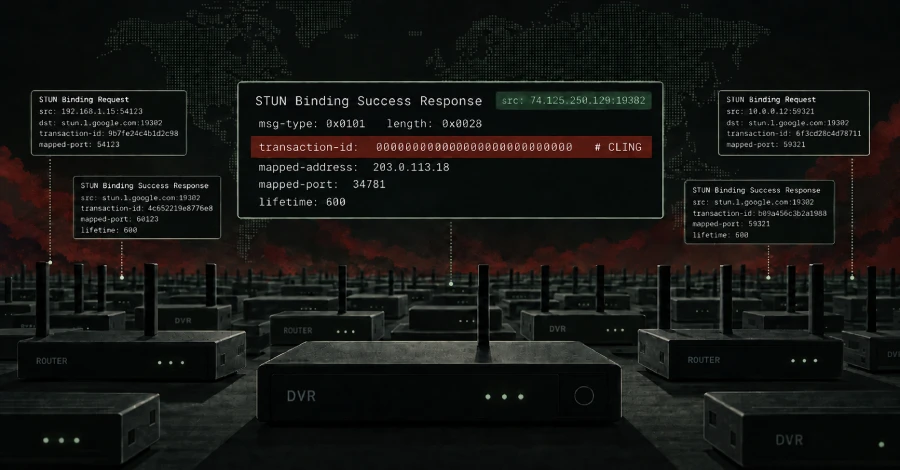
Cybersecurity researchers have uncovered "NadMesh," a new Go-based botnet designed to target systems running local AI models in an effort to steal cloud credentials and sensitive configuration data. The malware reportedly scans compromised devices for AI-related applications, configuration files, API tokens, and cloud access keys that could be used to infiltrate enterprise cloud environments.
Unlike traditional botnets that primarily focus on distributed denial-of-service (DDoS) attacks or malware delivery, NadMesh demonstrates how attackers are adapting to the growing adoption of AI by targeting developer workstations and AI-powered infrastructure. Researchers warn that exposed API keys and cloud credentials can enable attackers to access cloud resources, move laterally across environments, and deploy additional malware.
Recommended Security Measures
To reduce the risk of compromise, organizations should:
Store API keys and cloud credentials in secure secrets management solutions.
Restrict access to AI models and development environments using the principle of least privilege.
Enable Multi-Factor Authentication (MFA) for cloud accounts.
Monitor endpoints for suspicious processes and unauthorized network activity.
Keep AI frameworks and operating systems updated with the latest security patches.
Why It Matters
As organizations increasingly deploy local AI models for development and automation, these environments are becoming attractive targets for cybercriminals. NadMesh highlights a growing trend where attackers focus on AI infrastructure to gain access to valuable cloud credentials instead of exploiting traditional software vulnerabilities.
Conclusion
The emergence of NadMesh reflects the evolving cyber threat landscape, where AI development environments are becoming high-value targets. Strengthening identity security, protecting secrets, and continuously monitoring AI infrastructure will be essential to defending against the next generation of cloud-focused malware.