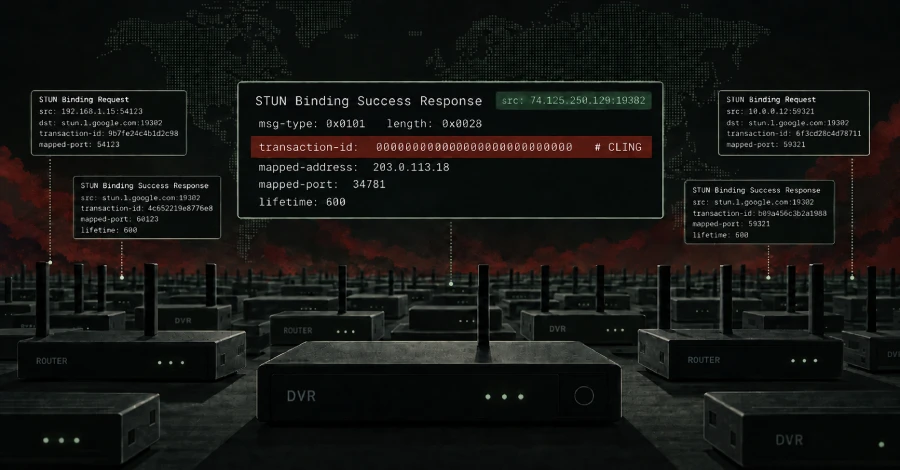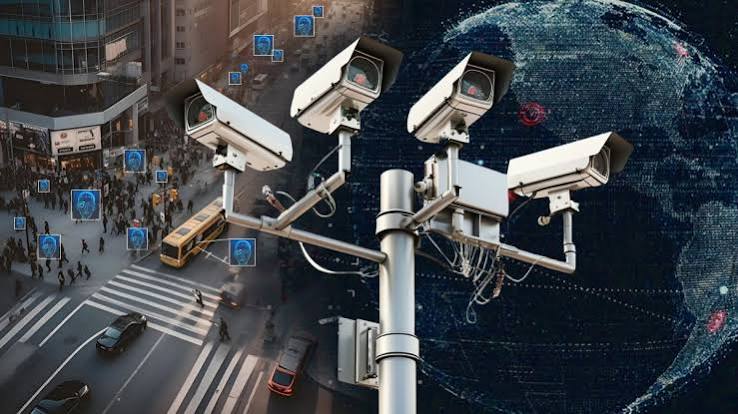
After two years of extensions and industry lobbying, the Ministry of Electronics and Information Technology (MeitY) has held firm. As of tonight, March 31, the relaxation allowing the sale of non-compliant surveillance hardware is withdrawn. Tomorrow marks the beginning of a new era where every internet-connected CCTV camera sold in India must carry an STQC (Standardisation Testing and Quality Certification) and BIS registration.
1. The SoC Stand-Off: Targeting the "Brain"
The core of this purge isn't just about where a camera is assembled; it’s about the silicon inside.
- Mandatory Disclosure: Under the new STQC guidelines, manufacturers are strictly required to disclose the exact country of origin for their System-on-Chip (SoC) architectures.
- The Chinese Blockade: Government labs are actively denying certification to any hardware utilizing Chinese-origin chipsets. This move specifically targets giants like Hikvision, Dahua, and TP-Link, who previously controlled nearly one-third of the Indian market. The refusal is rooted in documented risks of "hardcoded credentials" and "hidden backdoors" that could facilitate foreign espionage.
- The "Taiwanese Pivot": To survive, domestic players have executed a massive architectural shift, replacing prohibited Chinese components with secure Taiwanese chipsets and localized, proprietary firmware.
2. Market Metamorphosis: The Rise of Domestic Titans
The regulatory hammer has triggered a violent reshuffling of the $7 billion Indian surveillance market.
- The 80% Shift: As of February 2026, Indian brands including CP Plus, Qubo, Prama, Matrix, and Sparsh now control over 80% of the market share. CP Plus alone has seen its share surge to nearly 50%.
- The Factory Freeze: The impact on legacy leaders has been catastrophic. Reports indicate that Hikvision was denied certification for a massive manufacturing facility capable of producing two million units per month, while Dahua’s Indian business has reportedly contracted by 80%, now limited to selling rapidly-obsolescing analog systems.
- The "Premium" Lockdown: While domestic brands dominate the mainstream, the high-end enterprise segment is now almost exclusively the domain of vetted global players like Bosch and Honeywell.
3. The Compliance Cost: 20% "Security Tax"
Securing the supply chain has come at a literal price.
- BoM Inflation: Analysts estimate that shifting away from low cost Chinese suppliers to Taiwanese or U.S. alternatives has increased the Bill of Materials (BoM) by 15–20%.
- Consumer Impact: Expect to see these costs reflected at retail. A standard 4MP camera that previously retailed for ₹2,500 is likely to climb closer to ₹3,000 as the new certified stock replaces the old inventory.
Hacklido Technical Takeaway: Post-April 1 Readiness
If you are an IT admin or a system integrator in India, the "Chipset Purge" changes your procurement workflow immediately:
- Check the "ER" Status: Before any purchase, verify the model against the MeitY Essential Requirements (ER) notification. As of today, over 500 models have cleared the new STQC testing regime. If it's not on the list, it cannot be legally sold.
- Audit Legacy Egress: For existing installations of non-compliant hardware (Hikvision/Dahua/TP-Link), do not wait for a breach. These devices must be moved to an isolated VLAN with no internet access. Treat them as "Legacy Non-Compliant" nodes that are officially unvetted by the state.
- Prepare for Tender Rejection: Government and large enterprise tenders will now mandate STQC certification as a pre-requisite. Using non-compliant hardware in current projects could lead to immediate disqualification or audit failure during the handover phase