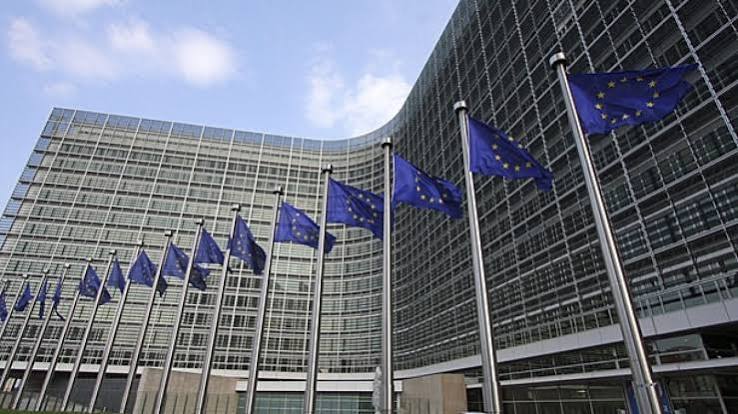
The European Commission, the EU's executive branch, formally admitted yesterday that its Europa.eu web platform was targeted in a sophisticated cyberattack. While the Commission maintains that its internal administrative systems remain untouched, they have conceded that a significant amount of data was exfiltrated from the cloud infrastructure hosting their public web presence.
1. The Breach: Compromised Cloud Credentials
The intrusion, first detected on March 24, 2026, targeted the Commission’s Amazon Web Services (AWS) environment.
- The Method: Amazon has stated that the hack did not result from a flaw in AWS itself, but rather from compromised account credentials or a security misconfiguration.
- Targeted Services: The attackers gained access to mail server dumps, databases, and content collaboration platforms like NextCloud. Even more alarming, researchers suggest that DKIM signing keys and a full Single Sign-On (SSO) user directory may have been compromised.
2. The Threat Actor: ShinyHunters Strikes Again
The prolific extortion group ShinyHunters has claimed responsibility for the attack.
- The "Zero Extortion" Model: In a departure from typical ransomware tactics, the group stated they have no intention of demanding money from the EC. Instead, they plan to leak the information on the dark web to damage trust and diplomacy.
- The Haul: ShinyHunters claims to have stolen over 350GB of data. To prove their access, they have already released a 90GB archive containing employee records, confidential contracts, and internal documents.
3. The Ripple Effect: Notifying "Union Entities"
Because Europa.eu hosts pages for the European Parliament, the Council of the EU, and other critical institutions, the blast radius of this leak is massive.
- Notification Pulse: The EC is currently in the process of notifying various "Union entities" that may have been affected. This includes departments linked to the Athena military financing mechanism, raising concerns about the exposure of sensitive defense-related financial data.
- Secondary Attacks: Security experts warn that the leaked SSO directories and DKIM keys could fuel a massive secondary wave of spear-phishing attacks, as hackers can now craft perfectly authenticated emails that appear to come from high-ranking EU officials.
Hacklido Technical Takeaway: Securing the "Admin Gate"
The EC breach is a textbook case of why credential security is the only firewall that matters in 2026:
- Kill Long-Lived Credentials: If you are using static AWS Access Keys for your cloud infrastructure, you are a target. Move to IAM Roles and short-lived, session-based tokens. The EC breach was likely made possible by a single "forgotten" set of credentials in an unvetted developer environment.
- Enforce Phishing-Resistant MFA: ShinyHunters is known for vishing (voice phishing) and bypassing legacy MFA. Every administrative account in your cloud environment must be protected by FIDO2 hardware keys. If the EC had mandated hardware keys for their AWS console, this breach would likely have been prevented.
Rotate Your Signing Keys: If you suspect any breach of your mail servers, rotate your DKIM and SPF keys immediately. Allowing an attacker to keep your signing keys is equivalent to giving them a "verified" badge for every phishing email they send in your name.